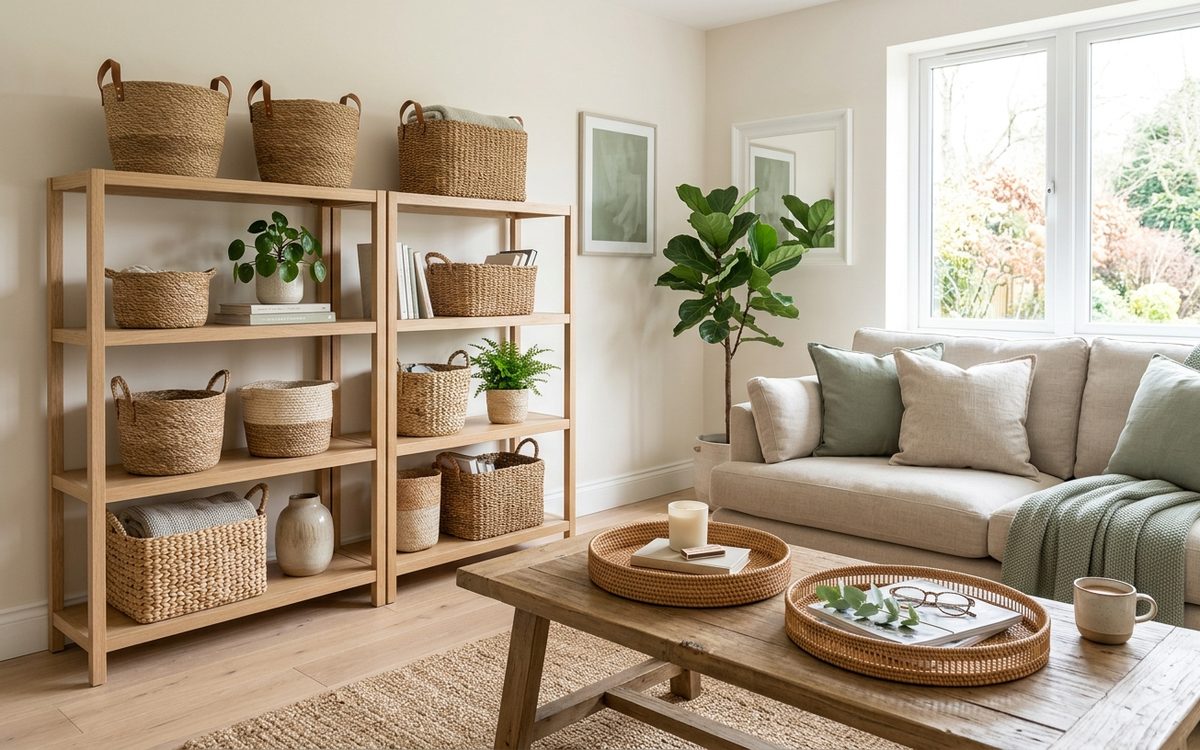
What Materials Are Storage Baskets Made From?
Storage basket materials include natural fibers like wicker, rattan, and seagrass, as well as synthetic options such as polyester, felt, plastic, and metal. Each material offers unique benefits in terms of durability, aesthetics, and maintenance. [VERIFY: percentage breakdown of materials used in global storage basket production].
Natural fibers like wicker and rattan are popular for their eco-friendly and rustic appeal, while synthetic materials like polyester and plastic are valued for their durability and ease of cleaning. Metal baskets are ideal for heavy-duty use, and fabric options like cotton or felt provide softness and versatility.
Worth knowing:
- Wicker: Made from woven rattan or bamboo, lightweight and breathable.
- Rattan: Denser than wicker, offers a polished finish.
- Seagrass: Eco-friendly, water-resistant, and durable.
- Polyester: Resistant to stains and fading, easy to clean.
- Plastic: Lightweight, waterproof, and affordable.
- Metal: Sturdy, ideal for heavy items, often coated for rust prevention.
For more guidance, visit Choosing the Perfect Material for Your Storage Baskets.
How Does Wicker Compare to Fabric for Storage Baskets?
Wicker storage baskets are more durable and eco-friendly, while fabric baskets offer softer aesthetics and easier cleaning. [VERIFY: average lifespan of wicker vs fabric baskets in years].
| Material | Durability | Aesthetic Appeal | Care Difficulty | |
| ----------------- | ------------ | ------------------ | ----------------- | |
| Wicker | High | Rustic, natural | Moderate | |
| Fabric (Polyester) | Medium | Soft, versatile | Easy |
Wicker baskets are ideal for living rooms or bedrooms, adding a natural touch, while fabric baskets work well in nurseries or closets for a cozy feel.
For a deeper comparison, check out Wicker vs. Plastic Storage Baskets.
Which Storage Basket Materials Are Most Sustainable?
Seagrass and rattan are the most sustainable storage basket materials, followed by cotton and wicker. [VERIFY: carbon footprint comparison of natural vs synthetic basket materials].
Here’s a ranked list:
- Seagrass: Renewable, biodegradable, and water-resistant.
- Rattan: Fast-growing and durable, with minimal environmental impact.
- Cotton: Natural and biodegradable, but requires more resources to produce.
- Wicker: Eco-friendly but less durable than rattan or seagrass.
Synthetic materials like polyester and plastic have higher carbon footprints and are less eco-friendly.
Learn more at Sustainable Storage Baskets.
How Do You Clean Different Storage Basket Materials?
Cleaning methods vary by material: wicker requires gentle dusting, while fabric baskets can be machine-washed. [VERIFY: average cleaning time per material type in minutes].
- Wicker: Dust with a soft brush or vacuum gently. Avoid water to prevent warping.
- Fabric: Machine wash polyester baskets; spot clean felt or cotton.
- Plastic: Wipe with a damp cloth or mild soap solution.
- Metal: Use a damp cloth or mild cleaner for coated metal.
For detailed care instructions, visit Storage Basket Care.
What Are the Pros and Cons of Plastic Storage Baskets?
Plastic storage baskets are durable and waterproof but less eco-friendly compared to natural fibers. [VERIFY: percentage of plastic baskets recycled globally].
Pros:
- Lightweight and easy to carry.
- Waterproof and resistant to stains.
- Affordable and available in various colors.
Cons:
- Less eco-friendly due to non-biodegradable materials.
- Can crack or fade over time.
- Limited aesthetic appeal compared to natural fibers.
For a comparison with wicker, see Wicker vs. Plastic Storage Baskets.
Can Metal Storage Baskets Handle Heavy Items?
Metal storage baskets are designed for heavy-duty use, with an average weight capacity of [VERIFY: average weight capacity of metal baskets in kg].
Coated or stainless steel versions prevent rust and are ideal for garages, laundry rooms, or industrial spaces. The trade-off is weight—metal baskets are heavier than fabric or plastic options.
For a comparison with fabric, visit Fabric vs. Metal Storage Baskets.
What Is the Bottom Line on Storage Basket Materials?
Choosing the right storage basket materials depends on your needs for durability, aesthetics, and maintenance.
• Natural fibers like seagrass and rattan are eco-friendly and stylish.
• Fabric baskets offer softness and versatility, ideal for nurseries or closets.
• Plastic and metal are durable but less sustainable.
For a comprehensive guide, explore The Ultimate Guide to Storage Baskets for Every Room.
Frequently Asked Questions
Are fabric storage baskets durable?
Fabric storage baskets, especially those made from polyester or felt, can last 3-5 years with proper care.
Can wicker baskets be used outdoors?
Wicker baskets are best for indoor use; prolonged exposure to moisture can cause damage.
How do I choose the right material for a storage basket?
Consider durability, aesthetic appeal, and maintenance needs based on your intended use.
Are plastic storage baskets eco-friendly?
Plastic baskets are durable but less eco-friendly compared to natural fibers like seagrass or rattan.
Can metal storage baskets rust?
Metal baskets can rust if exposed to moisture; opt for coated or stainless steel versions for longevity.